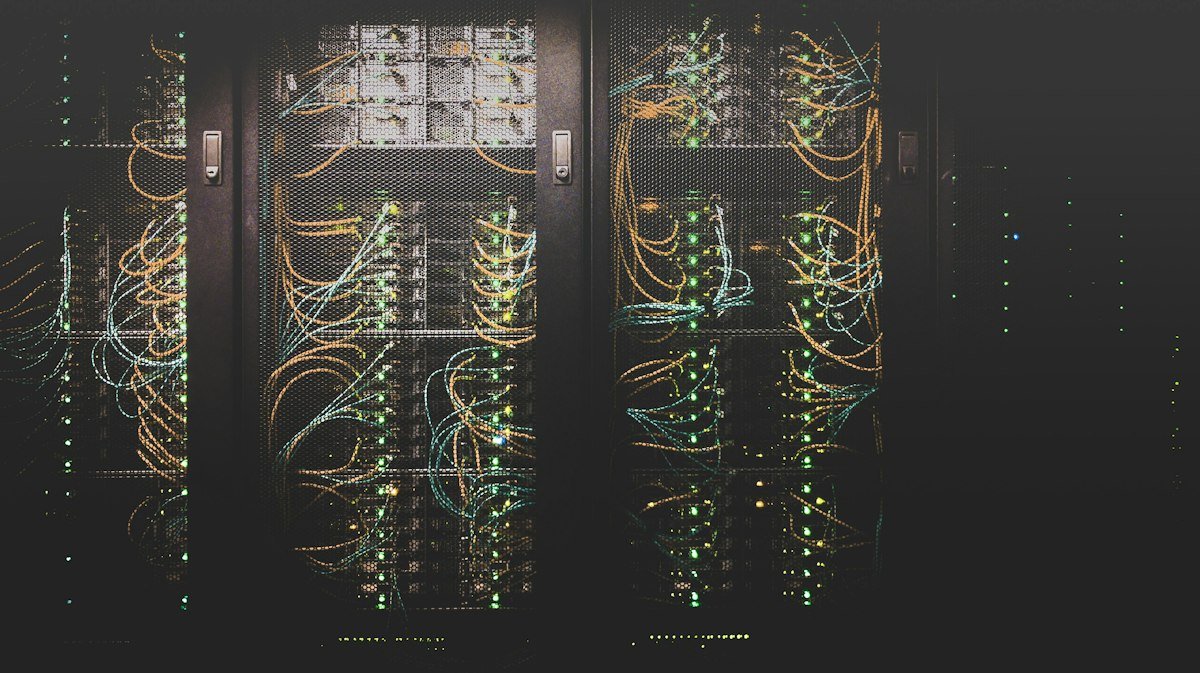
Nvidia shipped its Vera Rubin NVL72 AI computing system in October, while OpenAI paused a large training run this summer. These actions and warnings from AI model creators highlight evolving risks and uncertainties in the AI chip market.
Nvidia’s shipment of the Vera Rubin NVL72 marked a significant advancement in AI computing capabilities. However, OpenAI’s pause during its largest planned training run after security breaches raised concerns about the potential misuse of advanced AI models. Anthropic CEO Dario Amodei also warned about the risks associated with powerful AI models, suggesting that they could pose cybersecurity threats or become uncontrollable by their creators.
Why it matters
This situation is crucial for the tech industry as it reflects a shift in attitudes towards rapid advancements in AI. Competitors and users are now more cautious about the potential risks and implications of developing ever-more powerful AI models. Investors are also questioning the long-term demand for AI chips, given these uncertainties.
What to watch
The next steps will involve closer scrutiny from regulators and stakeholders regarding the development and deployment of advanced AI models. Companies like Nvidia and OpenAI may need to address these concerns by enhancing their security measures and transparency practices. Additionally, there could be increased calls for industry-wide guidelines or standards to mitigate potential risks associated with powerful AI technologies.
Sources: TechCrunch